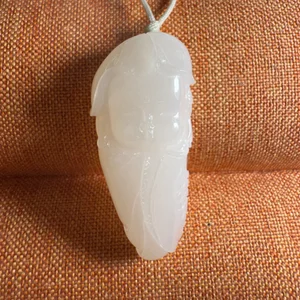
Nephrite Jade From All Over The World
Nephrite jade is found in several parts of the world, yet its character can vary noticeably from one region to another.
At Jade Master Vancouver, we work primarily with nephrite from China, Canada, Russia and Pakistan.
What Is Nephrite Jade?
Nephrite is one of the two materials traditionally known as jade; the other is jadeite. Although they belong to different mineral groups, both possess the durability and beauty associated with jade.
Nephrite is composed mainly of extremely fine, interlocking tremolite or actinolite mineral fibres. This compact, woven structure gives it exceptional toughness and a smooth, substantial feeling when polished.
Its colours range from creamy white, celadon and yellow to brown, grey and deep green. Unlike gemstones valued mainly for brilliance, fine nephrite is often appreciated for its quiet lustre, tactile quality and the gentle way light moves through its structure.
Chinese Nephrite: A Wide and Historic Tradition
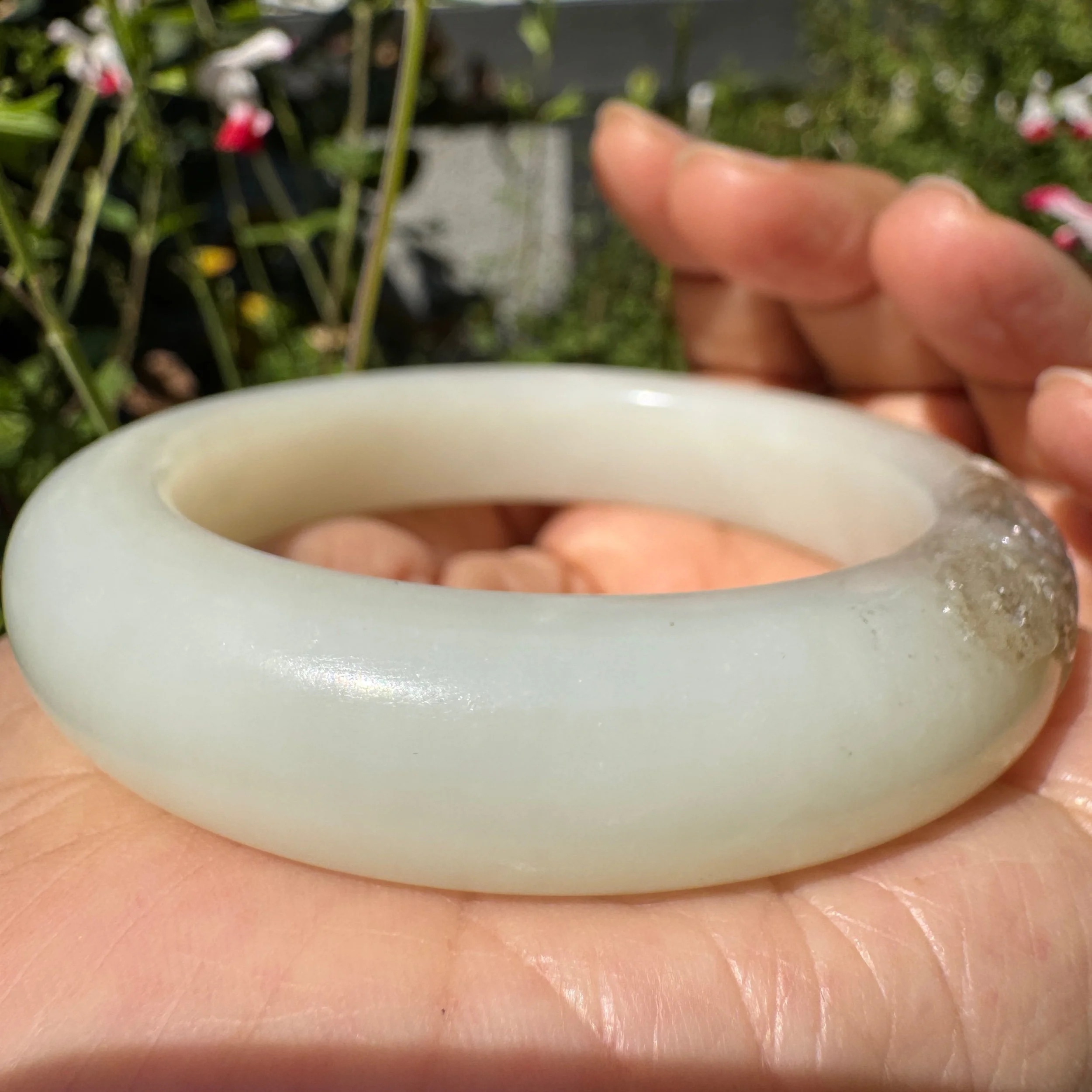
Chinese Xinjiang Hetian zi liao (seed )nephrite jade bangle bracelet
China has one of the world’s oldest and most highly developed nephrite traditions. Among its different sources, Xinjiang Hetian jade is especially well known for its place in Chinese history, art and culture.
Hetian nephrite is associated with the Kunlun mountain region. It may be found as primary mountain material or as water-worn river pebbles, traditionally called zi liao—籽料. Over long periods of natural movement, river material may develop a rounded form and an outer skin with distinctive colours and textures.
Chinese nephrite offers a remarkably broad palette:
Soft white and greenish white
Warm, creamy or “mutton-fat” white
Celadon and grey-green
Yellow jade
Sugar-coloured brown and white combinations
Olive, smoky and darker tones
Rich green nephrite, traditionally known as bi yu—碧玉
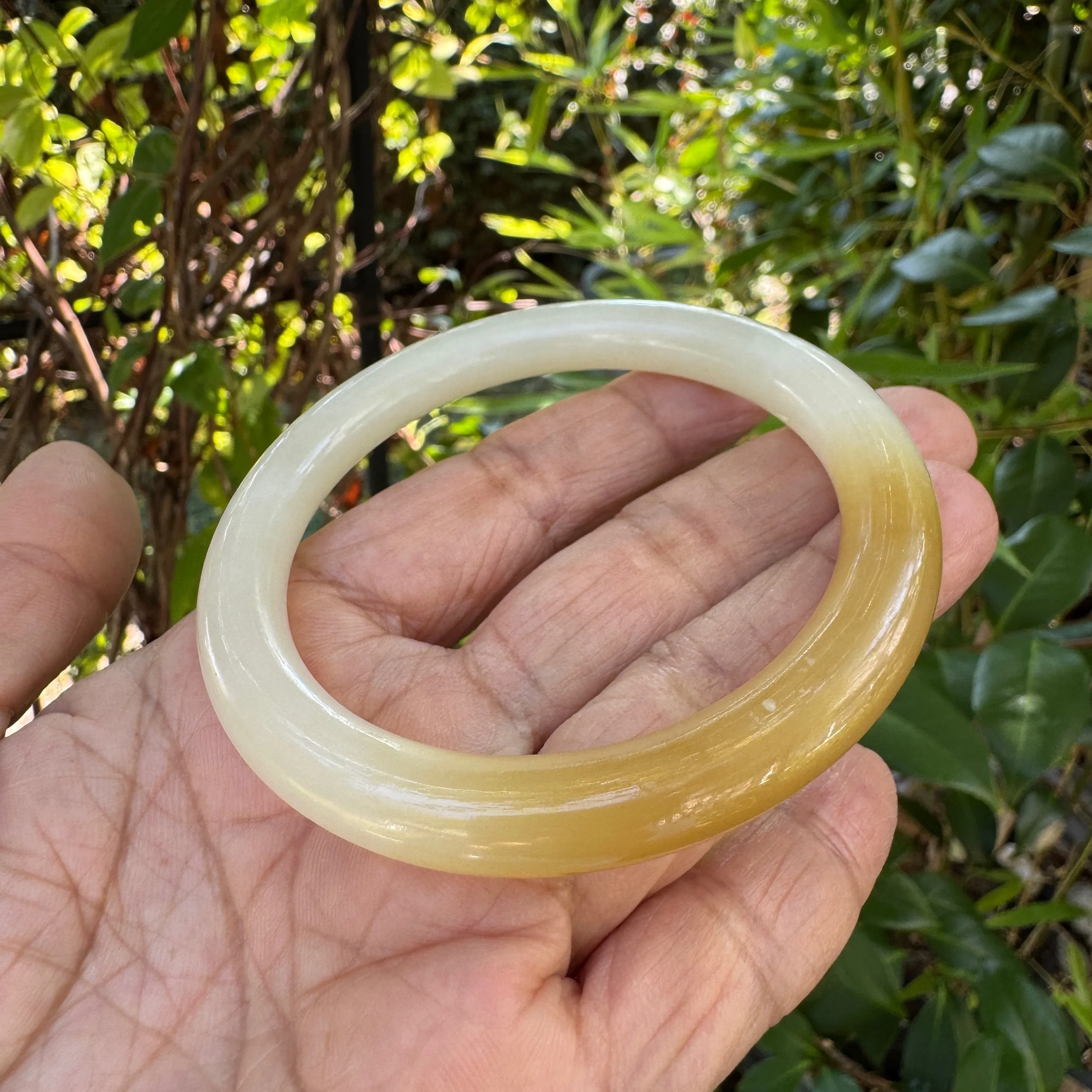
Chinese xinjiang Hetian white sugar nephrite jade bangle bracelet
Fine Hetian jade is often appreciated for its compact texture, gentle translucency and soft, oily lustre. Rather than appearing sharply glassy, it tends to have a warm glow that seems to come from within the stone.
For a jade carver, the appeal of Hetian jade often lies in subtlety. A change in colour, a natural skin, a sugar-toned area or a fine structural feature may help determine the subject and composition of a carving. Instead of forcing a predetermined design onto the stone, an experienced carver considers what the jade itself suggests.
It is also important to understand that “Chinese nephrite” is a broad category. China has several nephrite-producing regions, and not all Chinese nephrite comes from Hetian. Similarly, not every piece offered under the Hetian name has the same quality. Each piece must be examined individually.
Canadian Nephrite: Depth, Strength and Natural Green
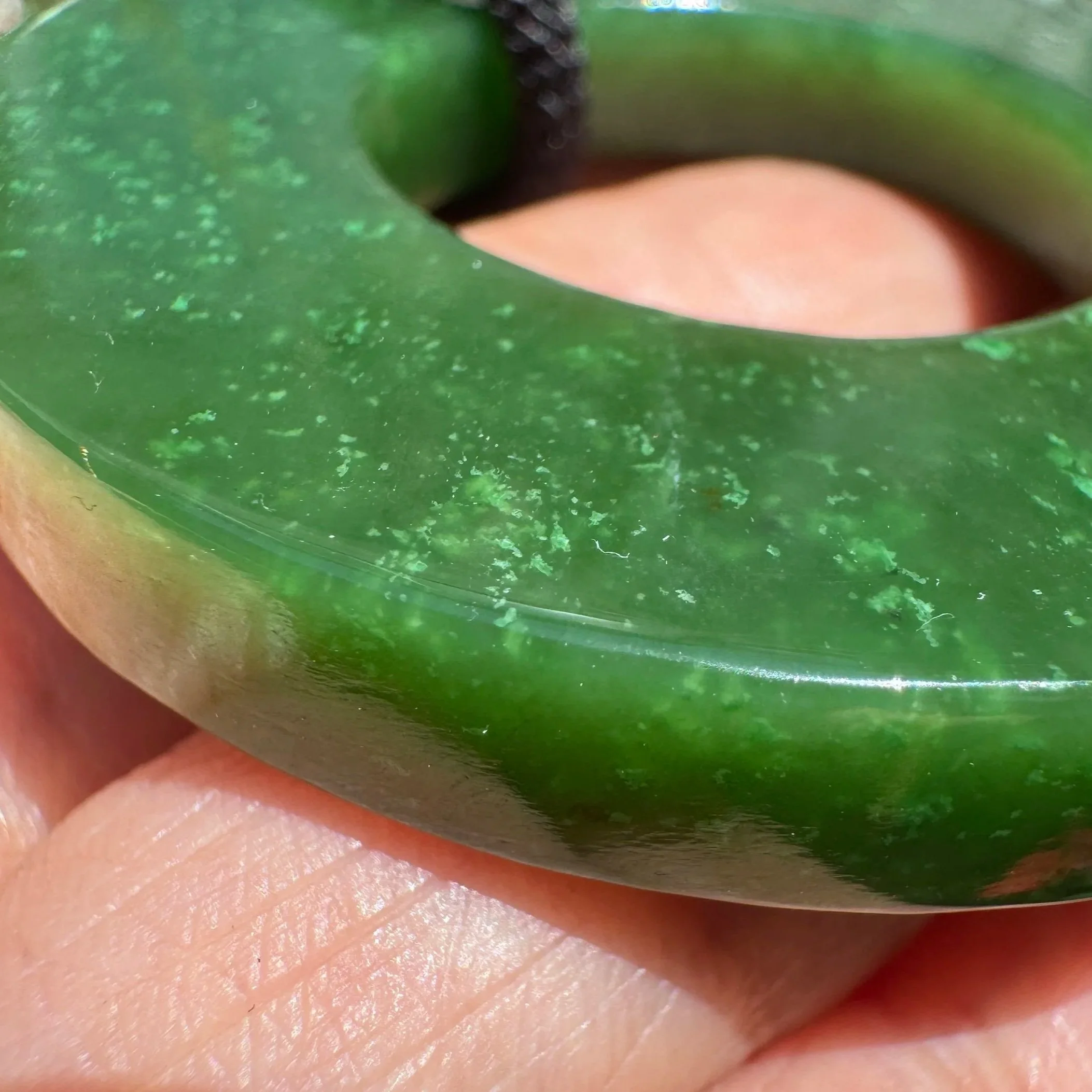
Top quality Canadian Polar nephrite jade with beautiful Chromium inclusions
British Columbia is one of the world’s important sources of green nephrite. Canadian nephrite is especially known for its strong structure, rich natural colour and suitability for both jewellery and larger carvings.
Its green palette may include:
Medium natural green
Deep forest green
Very dark green that brightens under transmitted light
Apple-green or mottled areas
Fine black, white or concentrated green inclusions
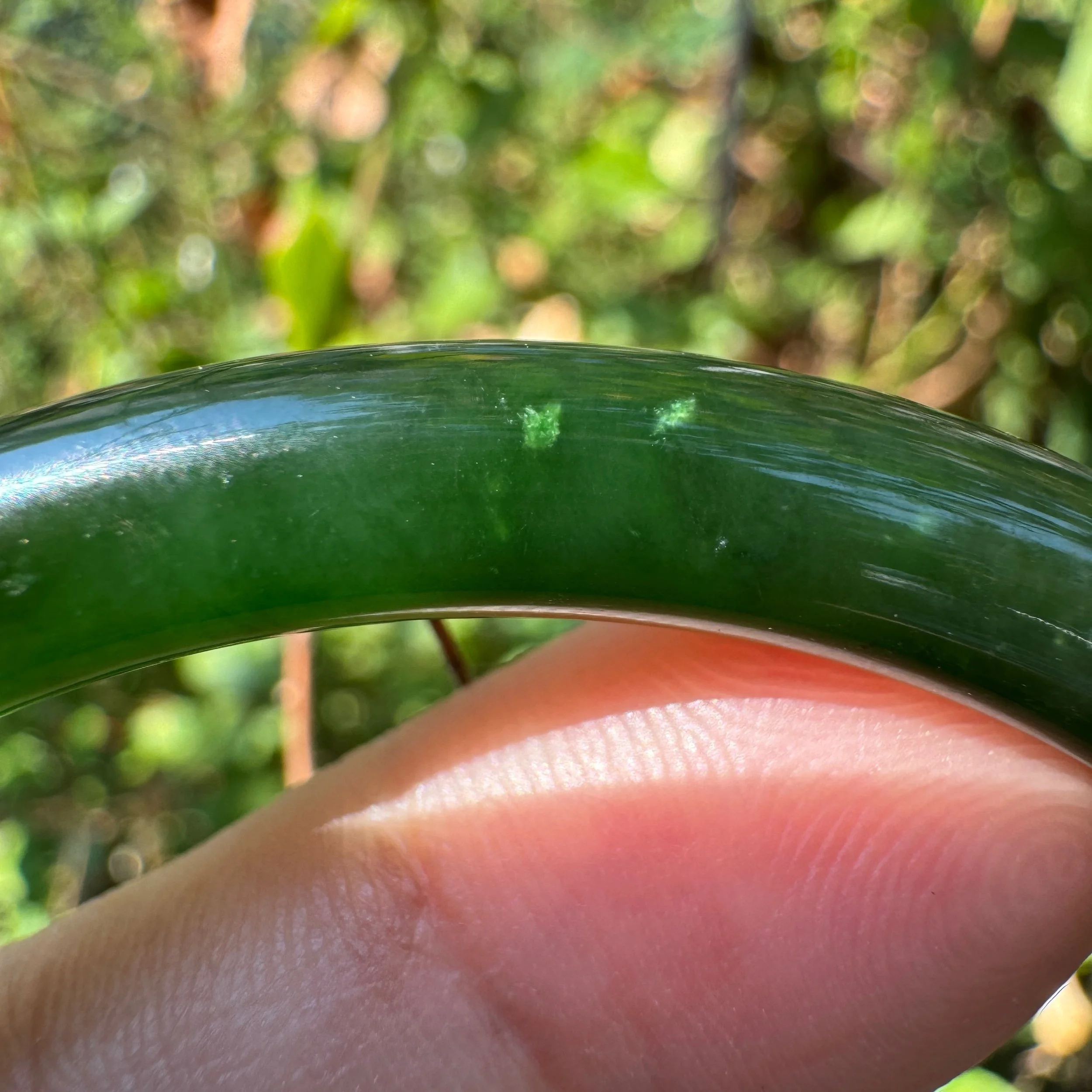
Typical dark green color of Canadian nephrite jade
Some Canadian nephrite looks almost black in ordinary indoor lighting but reveals a deep, saturated green when held against stronger light. This change is part of its natural character and should be considered when viewing jade through photographs.
Canadian nephrite often has a strong, substantial presence. Its toughness makes it particularly suitable for bangles, beads and carvings. Well-finished pieces can develop a smooth, silky polish, while natural variations give each one an individual appearance.
Some material contains dark mineral spots, lighter jade lines or concentrated green inclusions. These features are not automatically flaws. Their importance depends on their position, stability and relationship to the finished design.
For Jade Master Vancouver, Canadian nephrite also has a meaningful local connection. Based in British Columbia, we present this material not only as “green jade,” but as a stone connected to the mountains, rivers and geological history of our own region.
Russian Nephrite: Vivid Colour and Refined Texture
Russia is another important source of nephrite, with much of its best-known material coming from the Lake Baikal region of Siberia. Russian nephrite includes both green and light-coloured varieties.
Its colours and natural characteristics may include:
Bright spinach green
Rich medium to deep green
Dark green with luminous areas under stronger light
White, black or darker green mineral inclusions
Soft white, grey-white and pale celadon tones
Russian green nephrite is often recognized for its lively colour. Some pieces display a particularly bright or saturated green, although there is considerable variation within every source.
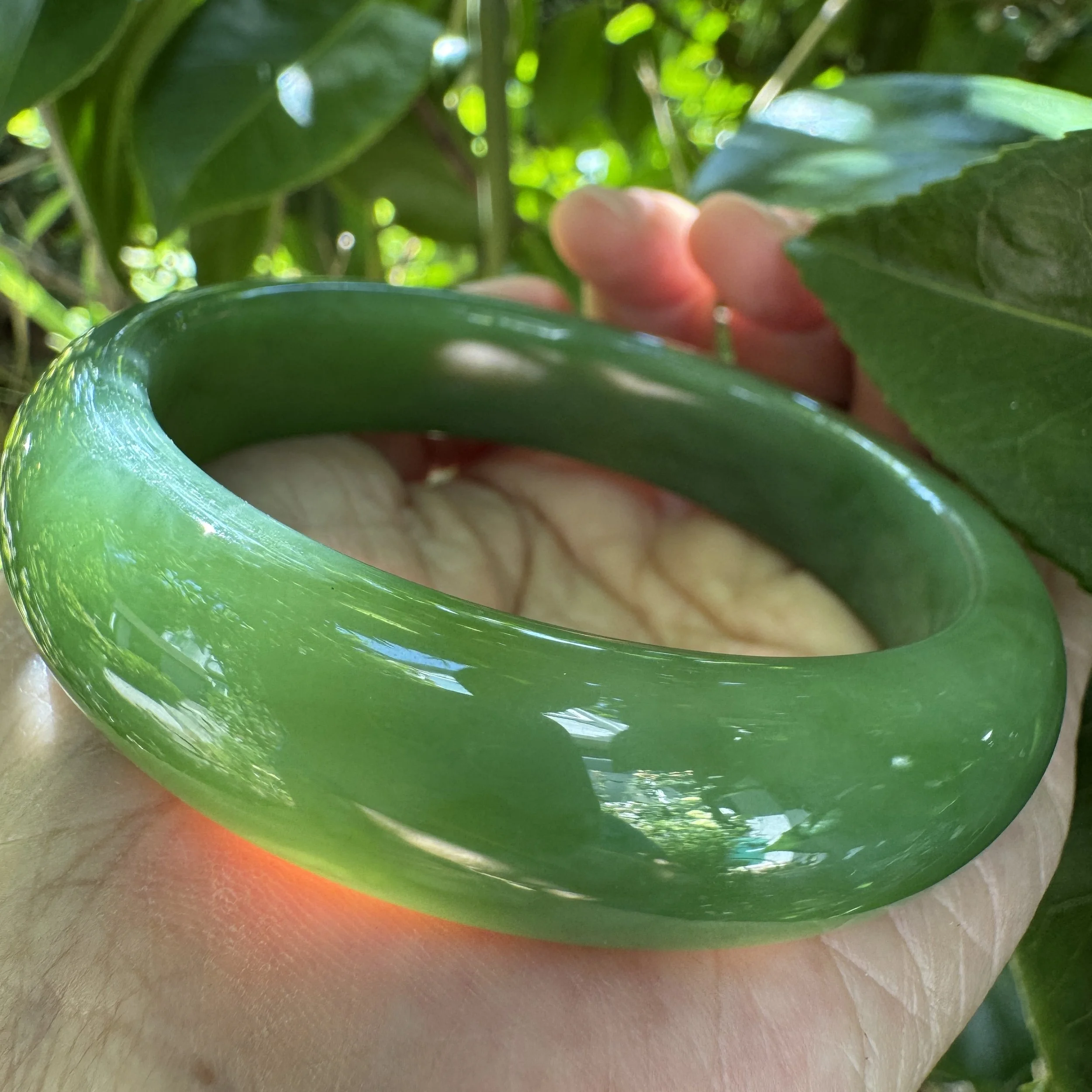
Top grade Siberian vigorous green nephrite jade
Fine Russian nephrite can have a compact structure, smooth polish and appealing translucency. In green material, naturally distributed minerals may create concentrated green markings or subtle changes in colour. White Russian nephrite can show a soft, even appearance with a gentle lustre, sometimes resembling white nephrite from China or other regions.
Russian nephrite is well suited to bangles, beads, pendants and detailed carvings. For a jade carver, the distribution of colour is especially important. A brighter area, darker inclusion or change in translucency may be positioned deliberately so that it becomes part of the finished design.
Brightness alone, however, does not determine quality. Texture, colour distribution, structural integrity, translucency, polish and workmanship must all be considered together.
Pakistani Nephrite: An Emerging Green Jade
Pakistan has become an increasingly recognized source of green nephrite. Material from this region can range from light and medium green to deep forest green, sometimes with greyish or blue-green undertones.
Pakistani nephrite may display:
Calm medium to forest-green tones
Slightly greyish or blue-green undertones
Good light transmission in finer areas
White jade lines
Black mineral spots or concentrated green inclusions
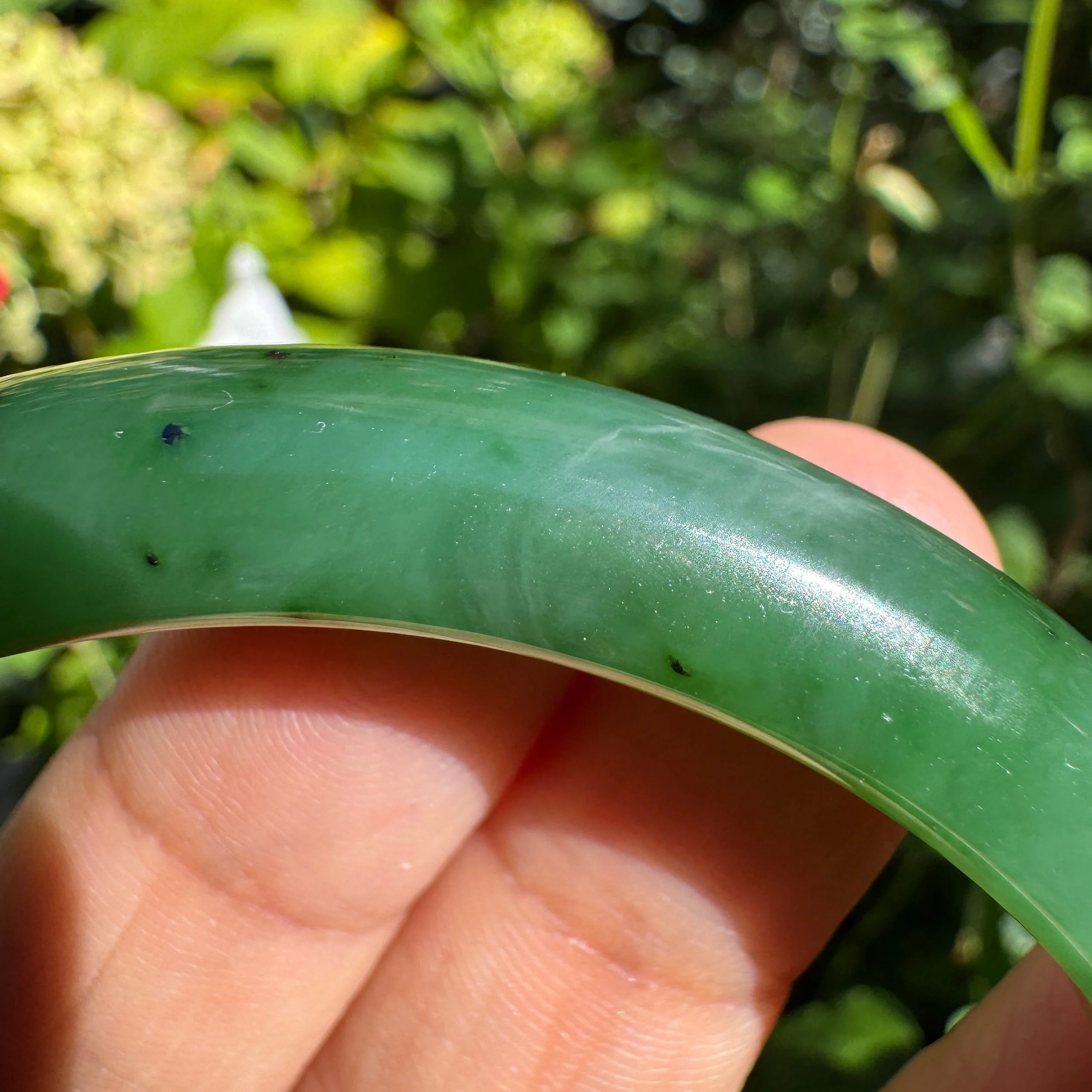
High quality Pakistani nephrite jade
Some Pakistani nephrite has an appearance similar to Canadian material, particularly in its deeper green colour. It may also have its own distinctive balance of colour, translucency and natural pattern.
In jewellery, Pakistani nephrite can show a calm, softly green appearance in normal light, becoming deeper or more luminous under stronger illumination. White lines, dark mineral spots and colour variations may remain visible, giving each bangle, bead or pendant its own natural character.
As with nephrite from every origin, quality varies considerably. The name of the country does not by itself determine the beauty or value of a finished piece.
Similar Material, Different Origins:Green nephrite
Among green nephrite varieties, material from Xinjiang, Russia, Canada and Pakistan can sometimes be particularly difficult to distinguish by appearance alone. Their colours, textures, translucency and natural inclusions may overlap considerably, especially after the jade has been polished and made into jewellery.
General characteristics can help us understand the different geological and cultural backgrounds of nephrite, but they should not be treated as fixed rules for identifying origin. Colour, black mineral spots, green inclusions or translucency are not reliable proof that a piece comes from a particular country.
Detailed visual comparisons can easily become misleading. Even nephrite from the same region can vary greatly, while material from different countries may look remarkably similar.
For this reason, we place greater importance on the jade itself than on the origin label attached to it. We consider whether the material is natural, whether its texture is fine and compact, whether its colour is pleasing, whether its structure is sound and whether the workmanship respects the character of the stone.
Fine natural nephrite from any recognized source can have lasting value for both wearing and collecting. Origin forms part of its background, but it does not replace a careful examination of the individual piece.
Origin Is Only the Beginning:How We Select a Piece of Nephrite
Chinese, Canadian, Russian and Pakistani nephrite are not four levels in a simple ranking. They are different expressions of the same remarkable jade family.
The origin of a piece can help us understand its geological and cultural background, but the name of a country should never replace an examination of the jade itself. Natural material, fine texture, pleasing colour, structural integrity and thoughtful workmanship are ultimately more meaningful than an origin label.
At Jade Master Vancouver, our jade-carving background helps us look beyond the name of the material. Each piece is considered individually—according to what can actually be seen, felt and understood in the jade.
We do not rely on an origin label to define a piece of jade. We rely on our experience to understand the jade itself.
The place where jade begins is part of its story. Its natural quality and what it becomes in skilled hands are what allow that story to continue.